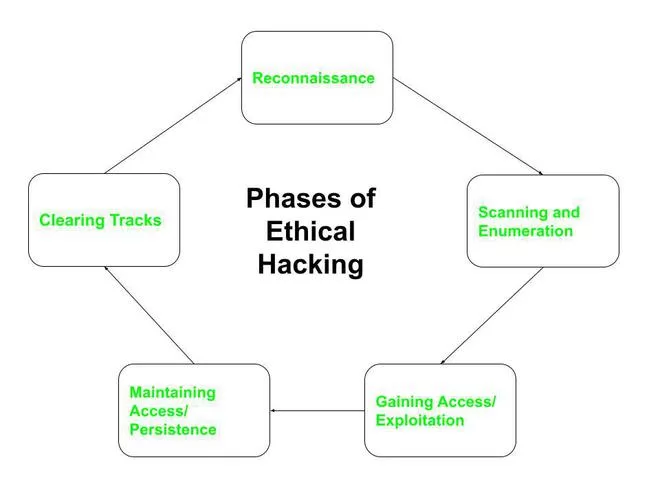
The cybersecurity field is growing rapidly and offers rewarding career opportunities for people with a mix of technical curiosity, problem-solving skills, and a desire to protect digital systems. Whether you are drawn to offensive roles that involve ethically hacking systems to find vulnerabilities or defensive roles focused on preventing and investigating cyberattacks, cybersecurity provides diverse pathways and strong incentives to build a career.
Why Get a Career in Cybersecurity
High Pay : Cybersecurity roles often come with competitive starting salaries and attractive compensation packages. Organizations across industries recognize the importance of securing digital assets and are willing to pay for skilled professionals who can reduce risk and respond to threats effectively.
Excitement: Many cybersecurity roles are dynamic and engaging. Offensive positions such as penetration testers let you legally test systems for weaknesses, while defensive roles involve responding to incidents, analyzing attacks, and designing protections. The work frequently combines technical challenges with creativity and real-world impact.
Strong Demand : Demand for cybersecurity professionals continues to outpace supply. There are millions of unfilled cybersecurity positions globally, creating a wealth of job opportunities and career stability for those entering the field.
Getting Started: Roles and Learning Paths
The cybersecurity industry includes a broad range of roles, each with its own focus and required skill set. Below are common categories and suggested learning paths to begin building the necessary skills.
Offensive Security (Red Team / Penetration Testing)
- Role focus: Simulate attacks to find vulnerabilities, exploit weaknesses, and recommend fixes.
- Skills to learn: Networking, Linux, scripting (Python/Bash), web application security, exploit development, tools like Burp Suite, Metasploit.
- Learning path: Start with fundamentals of networking and Linux, learn web and application security basics, practice in capture-the-flag (CTF) challenges and labs, then pursue certifications such as OSCP or eJPT.
Defensive Security (Blue Team / Incident Response)
- Role focus: Defend networks and systems, detect intrusions, investigate breaches, and implement security controls.
- Skills to learn: System administration (Windows/Linux), logging and SIEM (Splunk/Elastic), threat hunting, malware analysis, digital forensics.
- Learning path: Build strong system administration skills, learn logging and monitoring tools, practice incident response in tabletop exercises and labs, consider certifications such as GCFA, GCIH, or CompTIA Cybersecurity Analyst (CySA+).
Security Engineering / Architecture
- Role focus: Design and implement secure systems and infrastructure, integrate security into development lifecycles.
- Skills to learn: Secure network and cloud architecture, threat modeling, identity and access management, encryption, DevSecOps tools.
- Learning path: Gain experience in cloud platforms (AWS/Azure/GCP), infrastructure-as-code, and secure development practices. Certifications like CISSP or cloud security certs (CCSP, AWS Security Specialty) can help.
Security Operations Center (SOC) Analyst
- Role focus: Monitor alerts, triage incidents, and escalate threats within a security operations center.
- Skills to learn: SIEM usage, log analysis, basic incident response, scripting for automation, understanding of common attack techniques.
- Learning path: Start with foundational security knowledge, gain hands-on experience with SIEM tools and incident handling processes, pursue entry-level certs like CompTIA Security+.
Starting Resources and Next Steps
- Learn the fundamentals: networking, operating systems, and programming basics.
- Practice hands-on: use platforms like TryHackMe, Hack The Box, or build home labs.
- Join communities: local meetups, online forums, and CTF groups to collaborate and learn.
- Pursue targeted certifications: choose ones aligned with your desired role and experience level.
- Build a portfolio: document CTF wins, lab projects, write-ups, or open-source contributions to demonstrate practical skills.