







Cyber Threat Management

Network Security

The Rise of XDR: A Game Changer in the Cybersecurity Landscape

Latest Posts Network Security

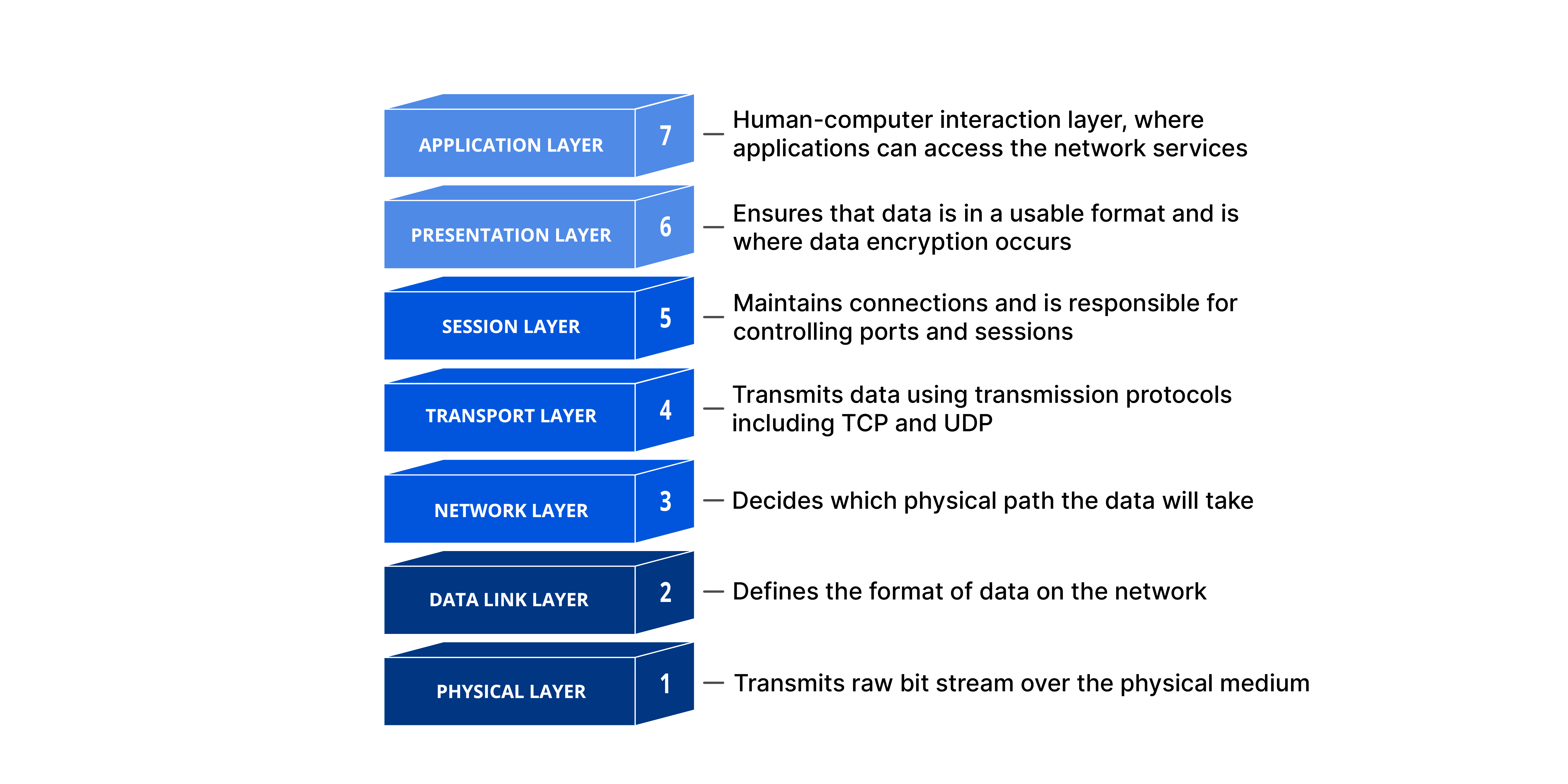
Networking Models & Internet Protocols

Cyber Threat Management Editors Choice

Security information and event management [SIEM] explained

Ethical hacking Latest Posts Network Security

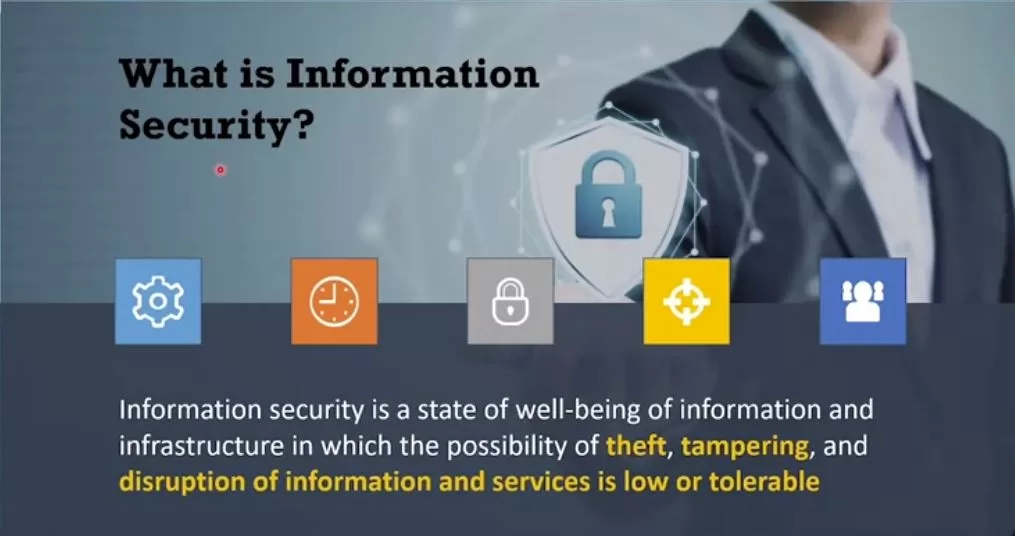
UNDERSTANDING NEED FOR SECURITY

Ethical hacking Latest Posts Network Security

How to Find Open/Blocked TCP/UDP ports?

Latest Posts Threat Intelligence

Best Practices for Integrating Threat Intelligence Tools

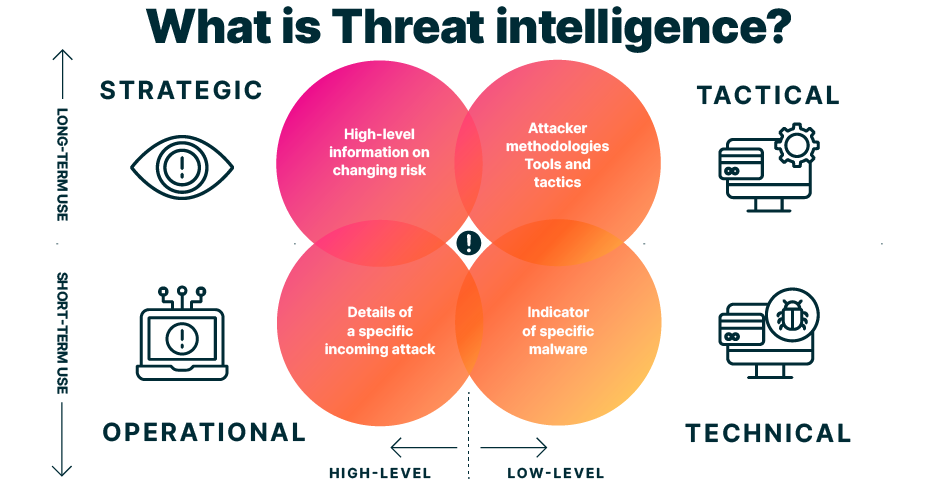
Threat Intelligence

Latest Posts Threat Intelligence

Best Practices for Integrating Threat Intelligence Tools

Editors Choice Threat Intelligence

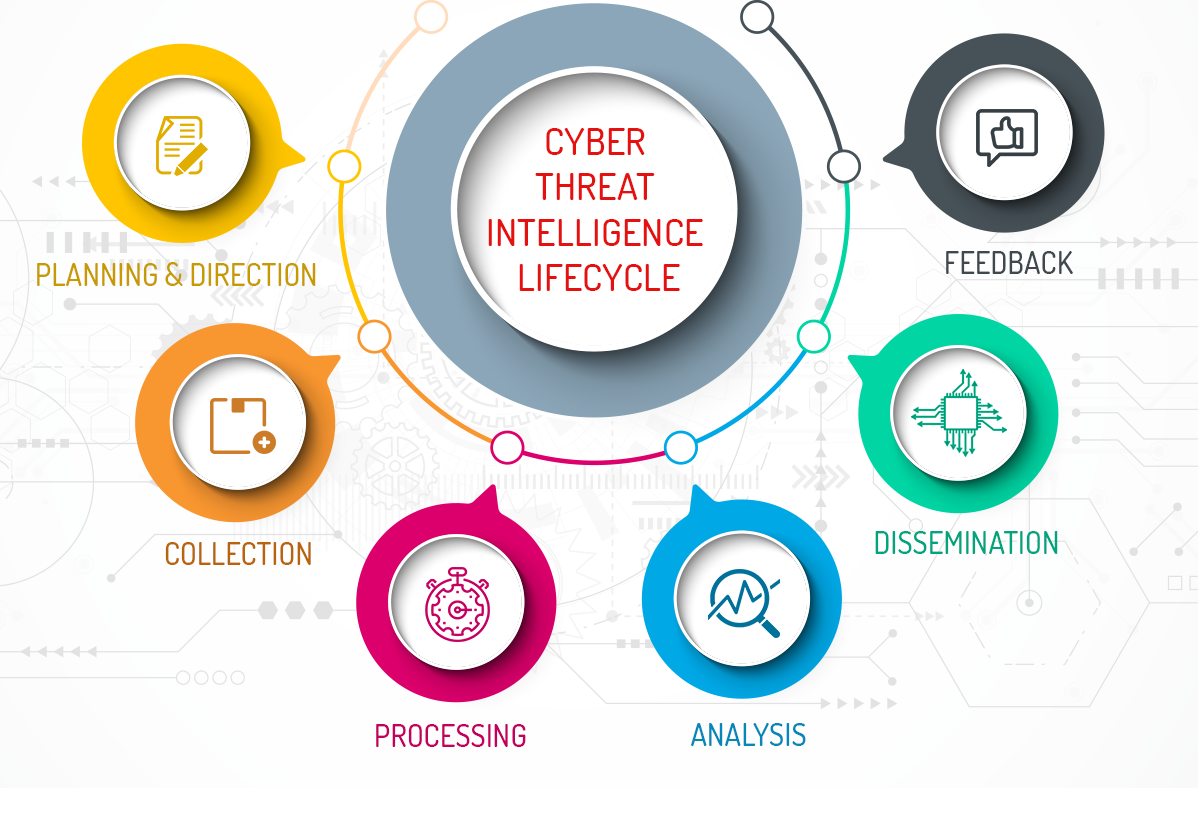
Threat Intelligence Lifecycle

Threat Intelligence

Threat Intelligence Services..

Latest Posts Threat Intelligence

Network Intelligence Communities

Network Security

Network Security

The Rise of XDR: A Game Changer in the Cybersecurity Landscape

Latest Posts Network Security

Networking Models & Internet Protocols

Ethical hacking Latest Posts Network Security

UNDERSTANDING NEED FOR SECURITY

Ethical hacking Latest Posts Network Security

How to Find Open/Blocked TCP/UDP ports?

Ethical Hacking

Editors Choice Ethical hacking Latest Posts

Why Choose a Career in Cybersecurity — High Pay, Excitement, and Strong Demand

Ethical hacking Latest Posts

Wireshark-Network Scanning

Editors Choice Ethical hacking Latest Posts

Different Types of Password Attacks

Linux

Editors Choice Generative AI Latest Posts Linux

The Rise of Generative AI on Linux: A New Era for Open Source Creativity

Latest Posts Linux

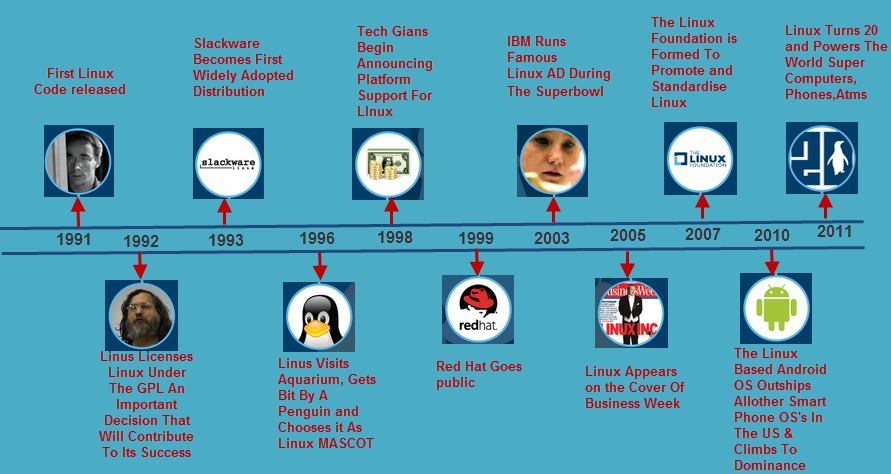
HISTORY OF LINUX

Latest Posts Linux

Filter content in Linux

Cybersecurity


Cybersecurity refers to the practice of protecting computer systems, networks, devices, and data from unauthorized access, attacks, damage, or theft. It encompasses a wide range of technologies, processes, and practices designed to safeguard information technology assets and ensure the confidentiality, integrity, and availability of data.

Key aspects and concepts related to cybersecurity:

  1. Confidentiality: This principle ensures that sensitive information remains private and is only accessible by authorized individuals. Encryption, access controls, and data classification are common measures to maintain confidentiality.
  2. Integrity: Integrity ensures that data is accurate and unaltered. Cybersecurity measures, such as checksums and digital signatures, help detect and prevent unauthorized changes to data.
  3. Availability: Availability ensures that systems and data are accessible when needed. Distributed denial of service (DDoS) attacks, for example, aim to disrupt availability. Redundancy and failover mechanisms help maintain availability.